

A Zone 6 Gardiner's Companion
The GTA's winters are not a suggestion. Understanding your hardiness zone before you buy is the single most important step between a thriving garden and a very expensive disappointment.
Why zone matters above everything else
The Greater Toronto Area sits in Zone 5 and 6 (Canadian system) — which sounds reasonable until January arrives and the temperature drops to -20°C with the windchill. Any plant that isn't rated for your zone is essentially a gamble with your wallet and your heart.
Before you fall in love with something at the garden centre, flip the tag and check the zone. If it says Zone 7 or warmer, you're looking at a plant that will very likely not survive our winters outdoors.
Check your exact zone
The GTA isn't uniform — urban heat islands, proximity to the lake, and your specific microclimate all affect what you can grow. Check your personal zone using Canada's updates plant hardiness map:
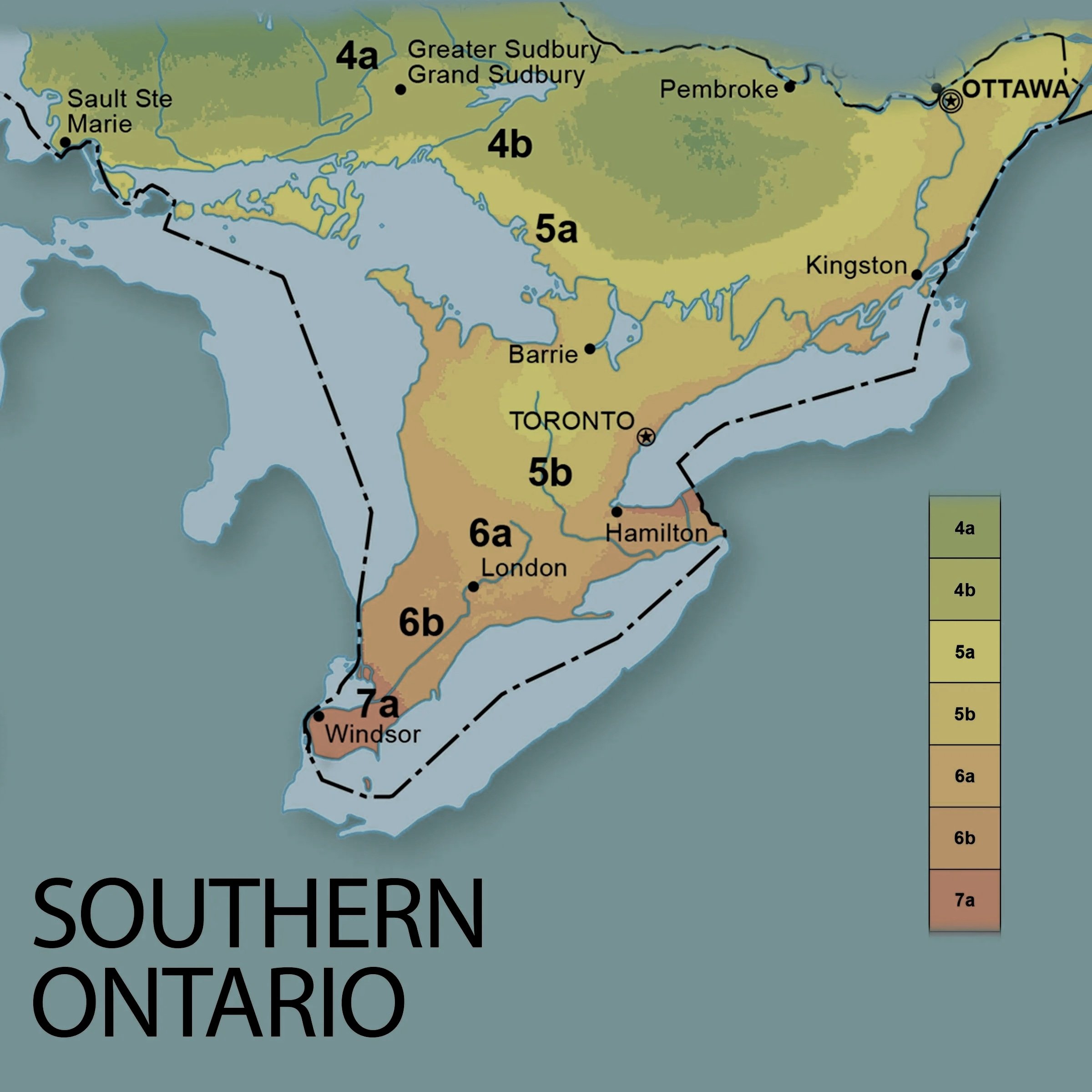
Canadian zones vs. USDA zones — they're not the same
This trips up a lot of gardeners, especially when shopping online or reading American gardening books. Canadian zones and USDA zones use completely different scales, and they are not interchangeable.
USDA System: Bases its zones only on the average annual extreme minimum temperature (the coldest single night of the winter).
NRCan System: Takes a much broader approach. It factors in average minimum temperatures, but also includes seven other climate variables, such as winter snow cover, maximum wind speed, frost-free days, rainfall, and maximum temperatures.
In practical terms, a Canadian Zone 6 garden is roughly equivalent to USDA Zone 5b or 6a. So if an American source says a plant is hardy to USDA Zone 6, it may not survive a Canadian Zone 6 winter.
When in doubt, go hardier than you think you need to.
The confusion is realMany plants sold in Canadian garden centres are labelled using USDA zones because the tags are printed in the US. When you see a zone label on a tag, ask: is this Canadian or USDA? When uncertain, assume USDA and consider adding one zone of caution.
The honest talk on tender plants
Here's something a good garden centre friend would tell you: some plants are worth buying even if they won't make it through winter. But you need to go in with open eyes. The key distinction: if you're buying something Zone 7 or warmer, decide in advance that it's an annual. Give it the same joy and intention you'd give a beautiful bouquet.
Worth it as an annual
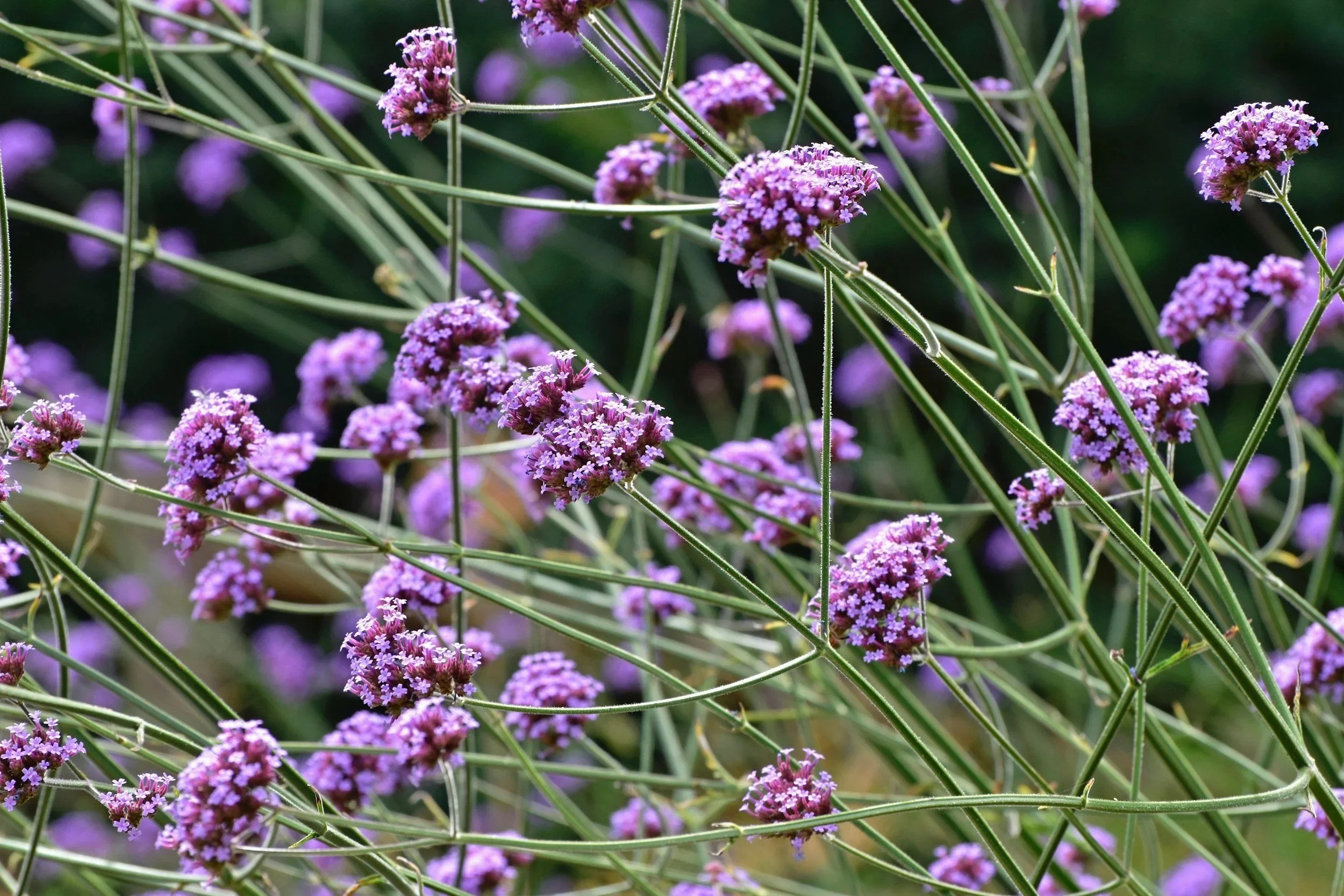
Verbena bonariensis — tall, floaty, butterflies adore it, can return in Zone 6 as it self-seeds
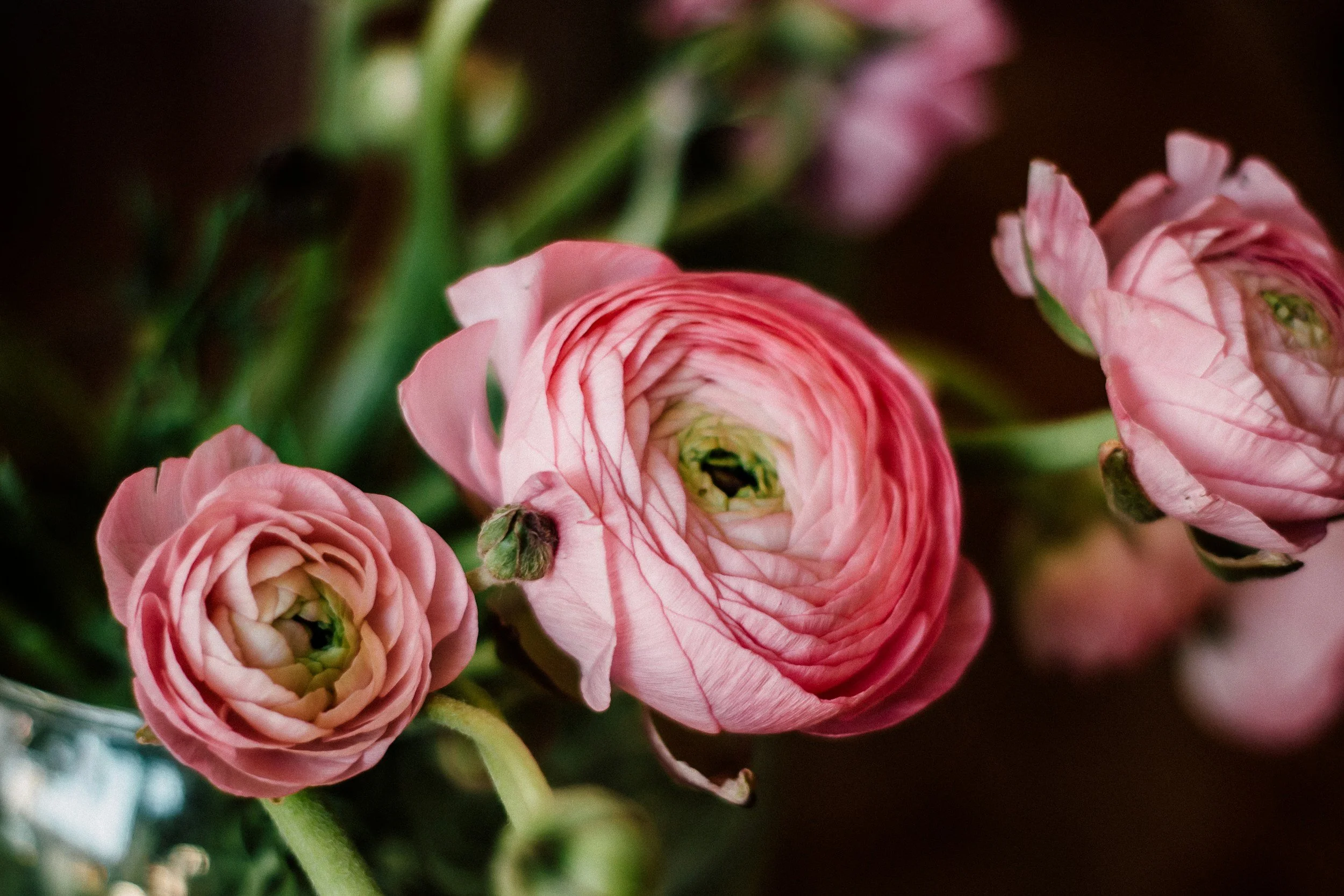
Ranunculus — beautiful long lasting cut flowers, but you need to start them inside early
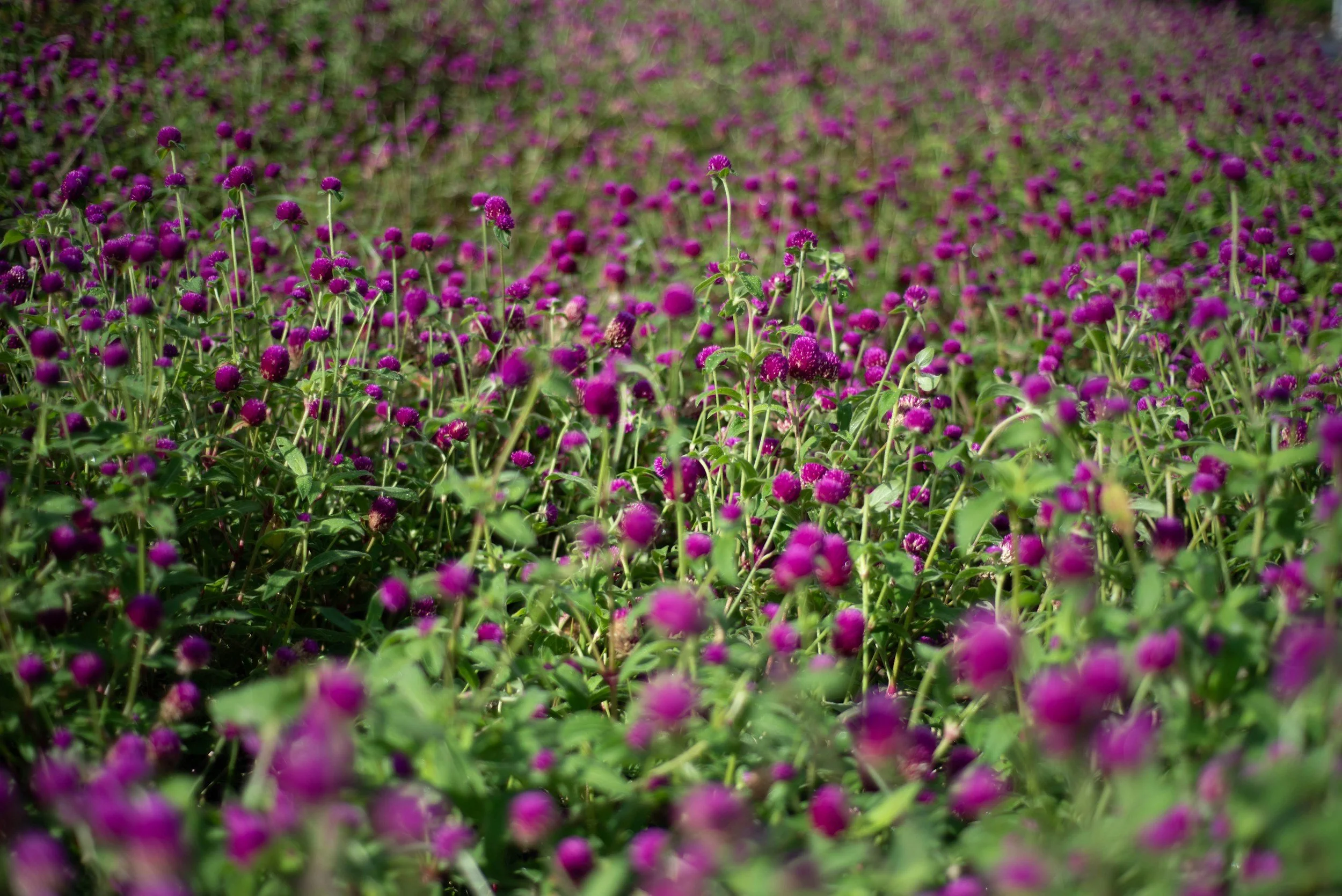
Gomphrena — non-stop colour in heat
Lantana — heat-loving, continuous bloom
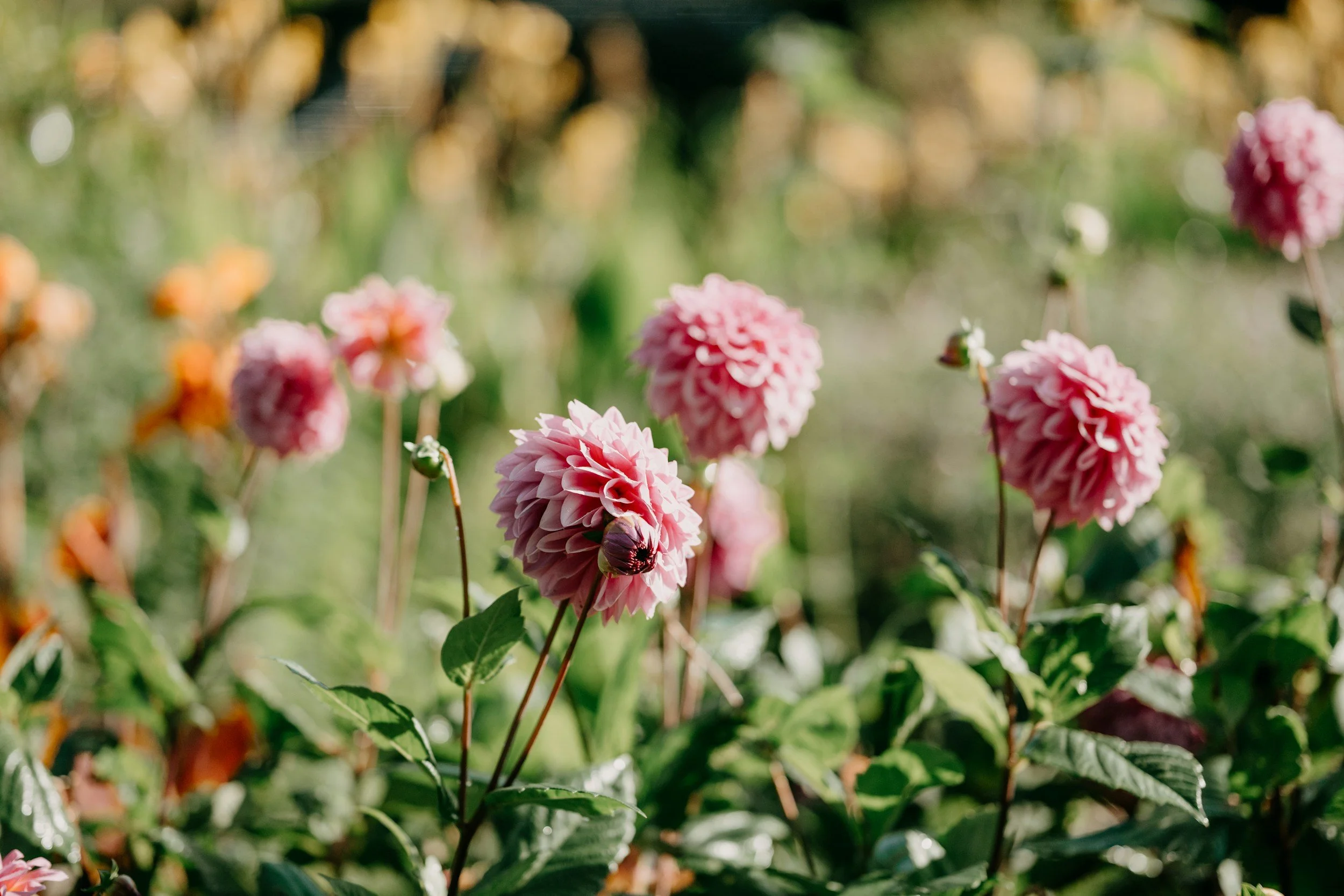
Dahlias — late summer blooms, you can dig up the corms and store them for the following season
Reliable zone 6 perennials
Nepeta (catmint) — early summer, reblooms if cut back
Salvia nemorosa (woodland sage) — spikes of purple, June–July
Echinacea (coneflower) — July through September
Phlox paniculata — late summer fragrance
Sedum/Hylotelephium — structure through fall
Hellebores — earliest blooms in the garden
Hardy roses (esp. David Austin) — June through November
The key distinction: if you're buying something Zone 7 or warmer, decide in advance that it's an annual. Give it the same joy and intention you'd give a beautiful bouquet. Don't plant it hoping for a miracle, and then feel deceived when January kills it. That's not the plant's fault — it was just homesick.
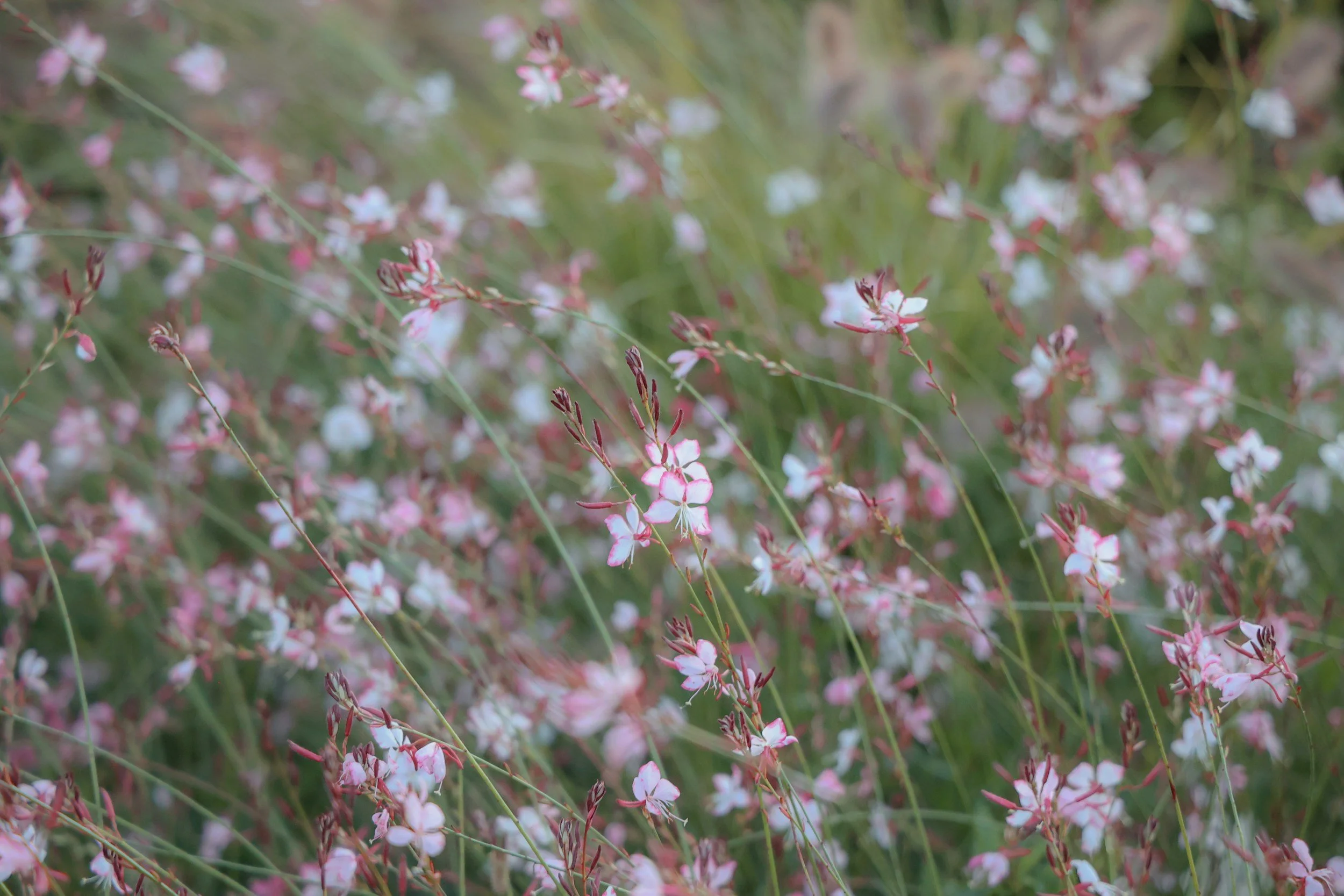
Gaura “Whirling Butterflies” — A Love Story
Zone 7–9 technically, but in a sheltered spot or a container it will reward you from mid-June until hard frost with thousands of tiny white flowers dancing on wiry stems. Treat it like an annual, enjoy it completely, and don't feel sad when it's gone. Some things are meant for just one season.
Not sure what your garden can actually handle?
A consultation with Caitlin is exactly what it sounds like — an hour in your garden, with honest answers about what will thrive, what won't, and what to do next. No pressure, just clarity.