

A Zone 6 Gardiner's Companion
That little plastic label contains everything you need to know. Most people don't read it carefully enough.
The same plant, very different result
This is perhaps the best illustration of why reading a tag carefully is so important. Nepeta — catmint — is one of the most beloved cottage garden plants, and it comes in many varieties. Two of the most commonly sold look almost identical in a small pot but create completely different results in your garden.
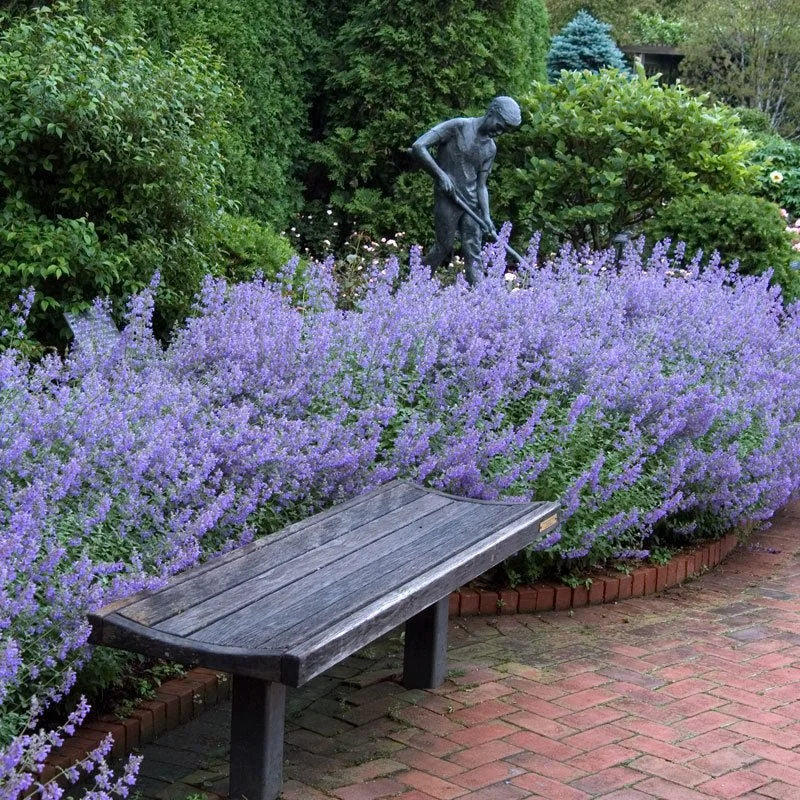
Nepeta × faassenii
'Walker's Low'
☀️ Full Sun 💧 Low Water Zone 4–8
Spread: 90–100cm (3 ft!)
Height: 45–60cm
Loose, sprawling, airy. Tumbles over path edges beautifully. One plant becomes a 1m mound of soft lavender-blue. Cut back hard after first flush for a second bloom.
This is your froth element.
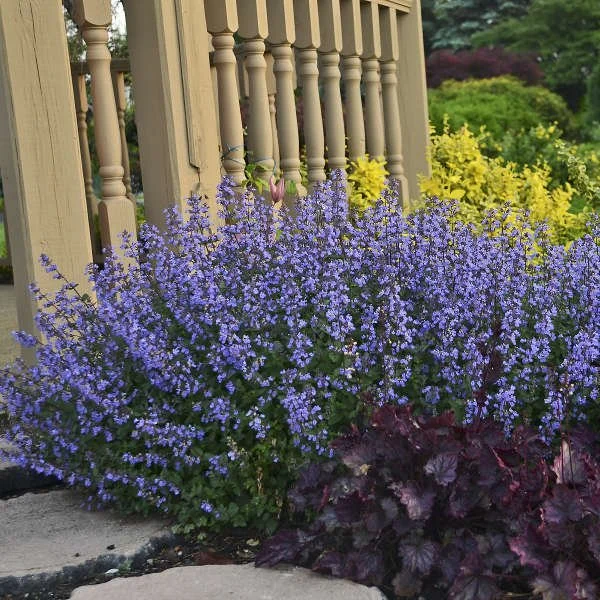
Nepeta racemosa
'Purrsian Blue'
☀️ Full Sun 💧 Low Water Zone 3–8
Spread: 30–35cm (a third the size)
Height: 20–25cm
Compact, tidy, low mound. Better for containers or front-of-border edging. More upright habit. Deep blue flowers.
Lovely, but a completely different plant in the garden.
The Impulse Buy Trap
Both of these plants look about the same size in a 4" nursery pot. They are not the same. If you're designing for that big, flowing, English-garden spread of catmint, you need 'Walker's Low.' If you want a neat little edging, 'Purrsian Blue' is lovely. The difference is on the tag — if you read it.
Echinacea
'Magnus' (60cm)
'Magnus Superior' (90cm)
Significant height and presence difference in the back of a border
More examples: Same genus, different garden
Phlox
Phlox subulata (5–10cm, creeping)
Phlox paniculata (90–120cm)
Completely different plants — one is a groundcover, one is a tall border classic
Salvia
'Bumbleblue' (30cm)
'Caradonna' (60–70cm)
Caradonna has striking near-black stems and more vertical drama
Geranium
'Ballerina' (15cm)
'Rozanne' (60cm spread)
Rozanne will sprawl beautifully through other plants; Ballerina stays tight
What every tag tells you (if you look)
Most nursery tags contain these key pieces of information. Train yourself to check every single one before placing a plant in your cart.
Mature Spread
This is the measurement most people ignore. It tells you how wide the plant will eventually be. Design to this number, not to how big the plant looks today.
Hardiness Zone
Non-negotiable. Check this first. Remember the Canadian vs USDA caveat from Chapter One.
Sun Requirements
Full sun, part sun, shade. This must match your garden's actual conditions.
Bloom Time
When will this plant contribute? Think about your July gap. Does this help fill it?
Soil / Water
Does your soil match? Mediterranean plants need excellent drainage. Astilbe needs consistent moisture. Don't put these in the same bed.
Mature Height
Critical for placement. Tall plants at the back, shorter at the front — but also think about blocking light to nearby plants.
This variety-level research is exactly what a planting plan does for you.
Caitlin's planting plans don't just say "plant some Nepeta here." They specify the exact cultivar, the quantity, the placement, and why — with your zone, light, soil, and goals already factored in. No second-guessing at the garden centre. Just a list and the confidence to use it.